Curriculum Structure
Whether you're completely new to bees or you've had a hive before and want to fill in the gaps, there's a path here that fits.
We organize the program into three paths. Each one covers a defined set of topics and builds toward a clear outcome. You can move through them in order or jump to the one that matches where you are.
This path assumes you know nothing about bees. We start with why bees matter, move into colony structure and behavior, then get practical with hive types, equipment lists, and the process of acquiring your first package of bees or a nucleus colony.
This path covers the ongoing work of beekeeping through the year. You learn how to inspect confidently, what you're looking for at each stage of the season, and how to respond to what you find without panicking.
This path focuses entirely on honey production: when to harvest, how to do it safely and cleanly, what equipment is worth investing in at the hobbyist scale, and how to store and share your honey properly.
How It Works
Each module is self-contained but connects to the ones before and after it. We use a mix of written explanation, diagrams, and practical checklists. The goal is always to give you something you can act on.
Lessons are written to be read at your own pace. There's no live schedule or fixed cohort. You work through the material when it fits your life, which for most people means picking it up in the weeks before a new beekeeping season begins.
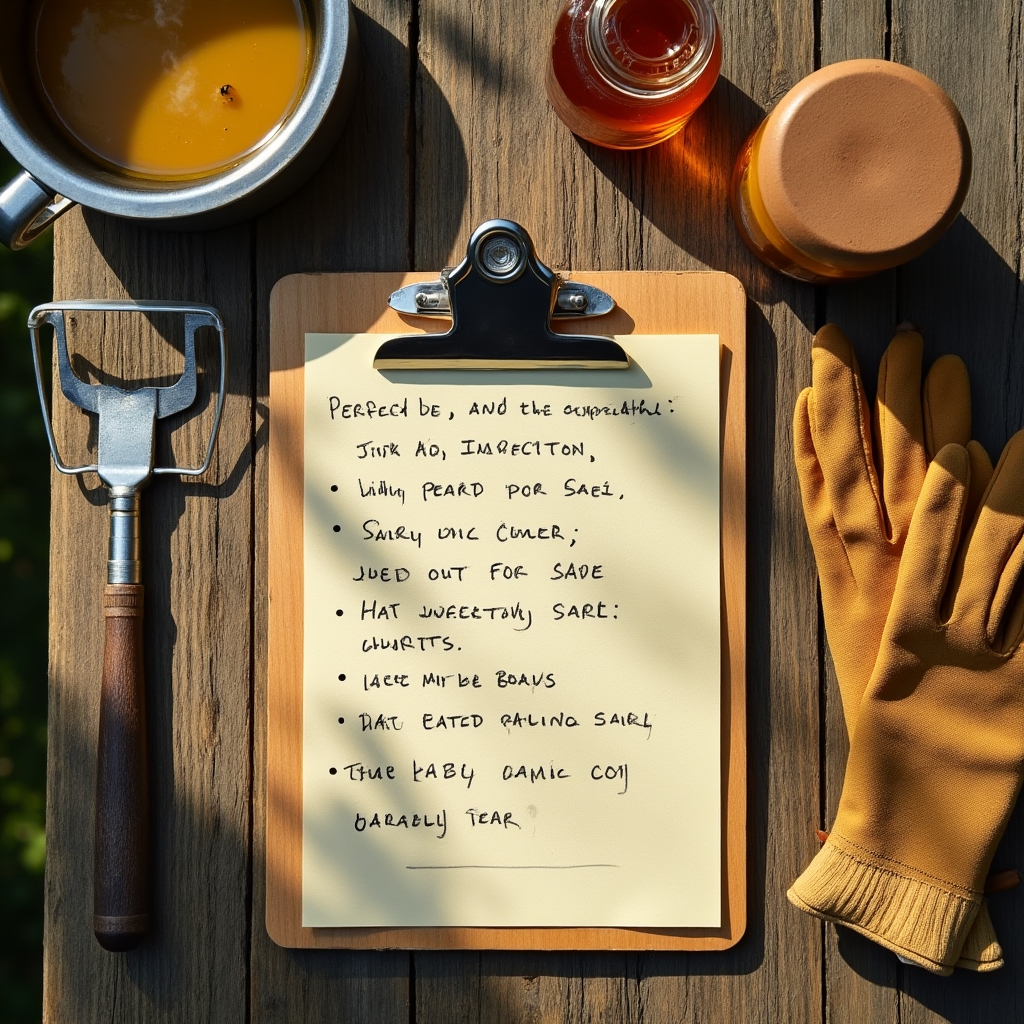
We include a "field notes" section in each module: a short summary of the key things to watch for, check, or do when you're actually at the hive. It's designed to be quick-referenced on a phone while you're in the yard.
We're happy to help you figure out where to start. Get in touch and we'll point you in the right direction.
